
Clean Pool. Happy Swimmers. Do It Yourself.
Helpful Guides for Cleaning, Repairing, and Servicing Your Swimming Pool
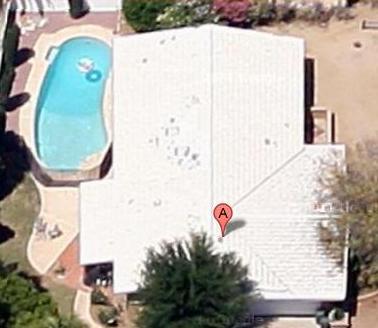
Our mission at Pool Service All (PSA) is to help you keep your swimming pool sparkling clean and safe for your family and friends to enjoy.
PSA is the perfect DIY resource guide for new and existing pool owners looking to save on monthly pool service costs.
Pool owners who learn swimming pool maintenance skills save $150–$300 every month — that’s the Convenience Tax you pay someone else to do work you can handle yourself.
This site exists because a frustrated pool owner (Joe) with a 22,000-gallon in-ground concrete pool spent 12+ years figuring out what actually works, what wastes money, and what keeps the pool water safe for his family. Now he’s passing on this experience to you.
Every guide, review, and troubleshooting walkthrough on Pool Service DIY comes from that hands-on experience.
The DIY approach requires 30–60 minutes per week and five core routines: testing water chemistry, maintaining chlorine sanitization concentration, servicing your filter, clearing debris, and handling seasonal transitions.
Annual chemical and supply costs run $400–$800 when you buy direct — compared to $1,800–$3,600 for professional service contracts. That difference adds up to roughly $2,000 per year back in your pocket.
Whether you just inherited a pool and feel overwhelmed, you’re ready to fire your pool service company, or you want better tools to spend less time working and more time swimming, you’re in the right place.
New to pool care? Start with the swimming pool maintenance guide for beginners. It walks you through your first weekly routine step by step before you dive into advanced chemistry or equipment.
Already maintaining your pool? Use the guides below to solve specific problems — green water, noisy pumps, cloudy conditions, seasonal startup — or find the right equipment to make your routine faster and cheaper.
Here are the numbers that keep your pool safe. Stay within these ranges, and most problems never start:
| Maintenance Task | Frequency | Key Parameter | Target Value |
|---|---|---|---|
| pH Balancing | 2–3× per week | pH Level | 7.2–7.6 |
| Chlorine Sanitization | Continuous (tablet or liquid) | Free Chlorine | 1–3 ppm |
| Total Alkalinity | Weekly | Alkalinity | 80–120 ppm |
| Filtration and Backwashing | Weekly | Filter Pressure Rise | 8–10 PSI above clean baseline |
| Vacuuming and Skimming | Weekly | Debris Clearance | Surface and floor clear |
| Shock Treatment | Bi-weekly or after heavy use | Combined Chlorine | 0.0 ppm post-shock |
| Cyanuric Acid (Stabilizer) | Monthly | CYA Level | 30–50 ppm |
Sanitizing and Balancing Your Pool Water
Water chemistry comes down to four numbers you test regularly: pH (7.2–7.6), free chlorine (1–3 ppm), total alkalinity (80–120 ppm), and cyanuric acid (30–50 ppm). A basic test kit costs $15–$60 and takes two minutes to use. The pool chemicals for beginners guide walks you through every test, every reagent, and what to do when the numbers drift.
Three-inch chlorine tablets (trichlor) are the most cost-effective way to maintain a steady sanitization concentration in a residential pool. The chlorine tablet application and dosing guide covers how many to use, where to place them, and how to avoid the CYA buildup that slowly makes your tablets less effective. Incorrect dosing destabilizes the Langelier Saturation Index (LSI) and accelerates surface damage on plaster and vinyl liner pools.
A green pool or cloudy water after testing usually means elevated phosphate or nitrate levels that need targeted algaecide treatment alongside super-chlorination. Understanding when to reach for shock versus tablets becomes critical during the Thermal Sanitization Stress Period — when summer water temperatures exceed 85°F, when chlorine demand doubles. The pool shock treatment protocol outlines the exact remediation steps to restore safe chlorine levels after an algae outbreak, a pool party, or any contamination event.
Automating Pool Cleaning To Spend Less Time Scrubbing
Manual vacuuming and brushing take 2–4 hours every week. Automated pool cleaners handle that for you. Three types of cleaners for residential pools are suction-side cleaners ($100–$300), pressure-side cleaners ($200–$500), and robotic cleaners ($500–$1,500). Robotic cleaners capture the most debris and run independently of your pool’s filtration system.
The DIY pool cleaning methods guide compares each type and helps you match the right cleaner to your pool shape, surface material, and typical debris load. Automation is what makes long-term home swimming pool maintenance sustainable — without it, the weekly grind wears most owners down.
Before you call a professional pool service for routine cleaning, evaluate whether a robotic or automatic pool cleaner pays for itself within the first season. The Kreepy Krauly Kruiser long-term performance review shares real cleaning coverage and reliability data from 3+ years of continuous residential use — the kind of long-term test data you won’t find on a product review page.
Troubleshooting Equipment Problems Before Paying for Replacements
A whining motor or a pump that won’t prime does not always mean a $600–$1,200 replacement. Hydraulic cavitation (air in the pump basket), a worn shaft seal, or a failing capacitor account for the majority of pump service calls. Each of those fixes costs $5–$30 in parts.
The troubleshooting common pool problems guide covers diagnostic workflows for pumps, filters, heaters, and plumbing. For pump-specific issues, the pool pump troubleshooting guide walks you through motor and hydraulic fault isolation step by step — so you know exactly what’s wrong before spending money on parts or a service call.
When you need to drain your pool (due to high Total Dissolved Solids, contamination, or replastering), a submersible pump rated for your pool’s volume is essential. The best pump for draining pool water review evaluates flow rates, discharge head capacity, and hose compatibility for residential drainage scenarios.
Keeping Your Filtration System Running Clean
Your filter is what stands between clear water and a cloudy mess. Residential pools use three filter types: sand filters (most common for in-ground), cartridge filters (lower maintenance), and diatomaceous earth (DE) filters (finest particle capture at 3–5 microns). A typical home pool setup circulates 1,500–2,500 gallons per hour through whatever filter type you have.
Sand filter backwashing is due when the pressure gauge reads 8–10 PSI above your clean baseline. The ultimate sand filter maintenance guide covers backwashing technique, sand replacement timing (every 5–7 years), and multiport valve operation for residential systems.
Cartridge filters need manual removal and chemical soaking every 4–8 weeks, depending on bather load and debris conditions. The pool filter cartridge cleaning guide shows you how to get the most life out of each cartridge and recognize when replacement is the smarter call.
Preparing Your Pool for Every Season
Seasonal transitions cause the most expensive damage when handled incorrectly. Skipping winterization means freeze cracks in PVC plumbing, pump housing failures, and stained plaster. A sloppy spring opening leads to persistent algae that takes weeks of chemical correction to resolve.
The pool opening and spring startup guide provides a full seasonal checklist: equipment inspection, plumbing pressurization, initial chemical dosing, and filter priming. To rebalance the water chemistries after months of dormancy, address high calcium, phosphate, and pH levels in the first week of operation — waiting longer compounds the cost and extends the algae risk window.
Winter pool covers prevent debris buildup and UV degradation of residual sanitizer. The best pool cover for winter care review compares safety covers, mesh covers, and solar blankets based on material durability, debris-exclusion rating, and cost per season.
Stocking the Right DIY Pool Supplies and Equipment
The most cost-effective remediation is prevention through the right equipment and chemical inventory. The right combination of sanitization supplies, testing instruments, and automation hardware cuts your annual pool costs by 40–60% compared to the Convenience Tax of professional service contracts.
The DIY pool supplies hub organizes purchasing into three categories: swimming pool chemicals, pool maintenance tools, and swimming pool accessories. These are the equipment investments that pay for themselves fastest:
- 3-inch chlorine tablets (bulk) — Buying 3-inch chlorine tablets directly saves 40–60% compared to the markup your pool service charges for the same chemicals.
- WiFi pool thermometer — A wireless pool thermometer with remote monitoring tracks water temperature continuously so you can adjust chemical dosing before problems start — especially during the Thermal Sanitization Stress Period.
- Automatic water leveler — An automatic pool water leveler prevents pump cavitation from low water levels and eliminates the daily “go check if the pool needs water” errand.
- Solar pool ionizer — A solar pool ionizer with copper electrodes reduces chlorine tablet consumption by 30–50% through supplemental mineral sanitization. Less chlorine means less chemical cost and softer water.
- Pool heater — A residential swimming pool heater extends your swimming season by 2–4 months, depending on climate zone and pool volume.
- Submersible drain pump — A dedicated submersible pump for pool draining is required when Total Dissolved Solids (TDS) exceed 1,500 ppm or after a major contamination event that requires full water replacement.
Handling the Real Challenges of Pool Ownership
Nobody tells you about the ducks. Or the dead bird. Or the monsoon that turns your clear water into brown soup overnight. Residential pool ownership comes with surprises that go well beyond water chemistry and equipment — and the first year is the hardest.
Honest expectations prevent new owners from giving up on DIY pool service. The swimming pool reality guide for new owners covers what pool care actually costs in time, money, and weekend hours — no sugar-coating. Experienced owners who feel beaten down by the weekly routine find practical perspective in the candid pool ownership frustration guide. The fix is usually targeted automation and smarter chemical efficiency, not hiring someone else or draining the thing.
Storm runoff from monsoon weather depletes chlorine residual fast and introduces contaminants that overwhelm your filter. The monsoon weather pool recovery protocol provides the post-storm remediation workflow. Wildlife contamination from ducks or birds requires immediate sanitization — the duck deterrent and pool prevention guide and the dead animal pool remediation protocol cover safe cleanup and when to shock.
Pool safety protects your family during the fun part. The swimming pool safety tips guide covers barriers, supervision protocols, and chemical storage for homes with children. The reward for consistent maintenance discipline is actually getting to enjoy the pool — browse tested pool games for adults and family-friendly swimming pool games for backyard entertainment that make all the DIY effort worthwhile.
About Pool Service All
PoolServiceAll.com—Insightful guides, tips, and reviews for DIY pool maintenance are specially created to teach you after years of real-world DIY pool service experience.
Since 2012, people have used these helpful guides and best-selling product research to service their swimming pools.
Pool Service All teaches visitors about the many services and maintenance tasks needed to keep a swimming pool clean.
Located in Sunny Litchfield Park, Arizona
Feel free to reach out if you want to learn more about Pool Service All and our pool maintenance expertise.