
 Use The Right Pool Tool for the Job and Save Your Back

In this DIY tip, I’ll list six basic swimming pool tools you need to properly care for your pool.
Best of all, they’re the same tools most professional pool care services use.
As a DIY pool owner who’s maintained my own pool for years, I’ve learned that buying quality tools once beats replacing cheap skimmers and broken vacuum attachments over and over.
At a glance: You need a skimmer, vacuum attachment, brush, water test kit, extendable pole, and vacuum hose—all sturdy and with reliable clips. Skip bargain toolkits and invest in pieces that last.
Quality versus Price
My recommendation is to buy quality tools that’ll last about 2 years.
This way, you’re not left having to replace a broken or nonfunctional tool.
Here’s a related post I wrote about buying pool supplies online. It’ll help you save time and money when purchasing chemicals.
When a tool breaks, your pool is at risk of going without cleaning until you can return to the pool center and buy a replacement, which is not ideal.
I know from experience that the net rips on cheap skimmers. And I’ve bought a vacuum attachment that cracked, leaving sharp plastic pieces in the pool.
Taking care of your own pool is a long term job so do yourself a favor and learn from my mistakes. Buy good quality tools that will last you and make the job easier. Remember, swimming pools should be fun!
Basic Pool Tools Every New Pool Owner Needs to Buy
Caution! Before I begin let me warn you to stay away from pool toolkits that come with all the basics. Buying these toolkits can save money but most of the time these tools are cheap and will not last.
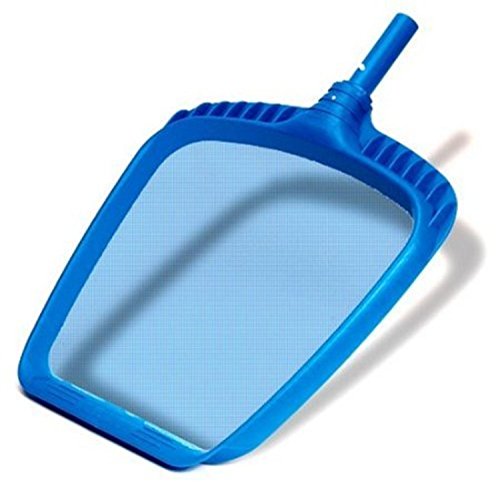 #1 – Pool Skimmer
Start with a good, solid skimmer attachment with an extendable pole.
If you’ve never seen a skimmer before, it looks like a tennis racket and skims the surface of the water to remove leaves, bugs, and other floating debris you don’t want in your swimming pool.
A skimmer with an adjustable pole that lets you adjust the length based on the size of your swimming pool is best.
You want the pole to be long enough to reach the middle of the swimming pool without you having to lean over the pool’s edge.
Skimmer size may vary depending on what is entering your pool.
skimmer and filtration checks after heavy debris loads, but mostly leaves and bugs…
 #2 – Pool Vacuum
The next item on the pool tools list is a good vacuum attachment to remove the dirt and debris that ends up on the bottom of the swimming pool.
Along with a good vacuum attachment, you’ll need a long hose and another adjustable pole (Note: most poles are detachable, so you can use the same pole from the skimmer).
Once again, I can’t stress the importance of buying quality pool tools.
The vacuum attachment and hose need to be sturdy. I replaced a few before I finally learned my lesson.
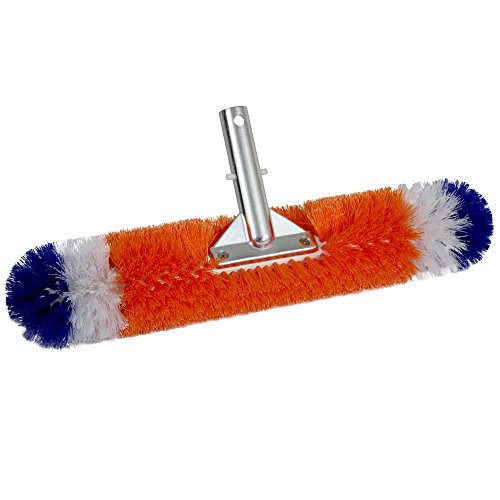 #3 – Pool Brush
You need a good brush head attachment for a pole.
The brush is used to clean the steps, walls, and pool floor of the swimming pool.
Brushes come in various shapes and sizes, as well as brittle materials.
They can have plastic or metal bristles depending on the type of job they’re used for.
A basic brush is best for scrubbing algae that may form on the pool wall.
Caution! Pool supplies, such as Skimmers, vacuums, and brush attachments, all attach to a pole and are held in place with a clip. These clips are at the attachment end of the tool and break easily, leaving the tool useless. Take note of the clip when purchasing your pool tools, and avoid anything that looks or feels cheap. Many tool attachments end up at the bottom of the pool because they detach during use and are left there. Don’t buy tools with cheap clips!
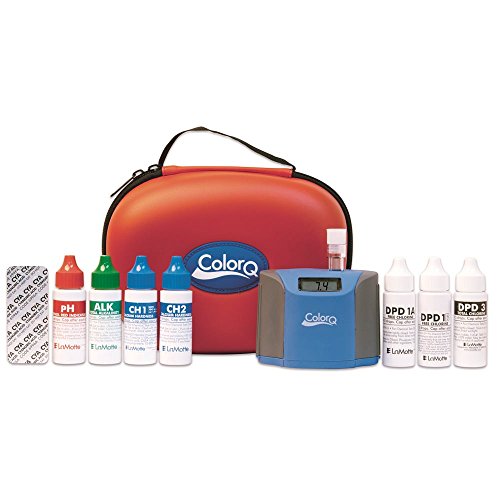 #4 – Pool Water Test Kit
Now for the most important item on the pool tools list!
A pool water testing kit is an essential part of any pool toolkit.
It’s used weekly to check chlorine and pH levels, and you will want to stay on top of these important levels to ensure your pool is safe to swim in.
Normally, you will go through multiple kits because they run out of test strips and certified pool chemicals from trusted online suppliers.
Also, don’t be afraid to try the new computerized pool water tester, which makes testing easier and more accurate.
The key here is to find a pool testing kit that works for your type of pool.
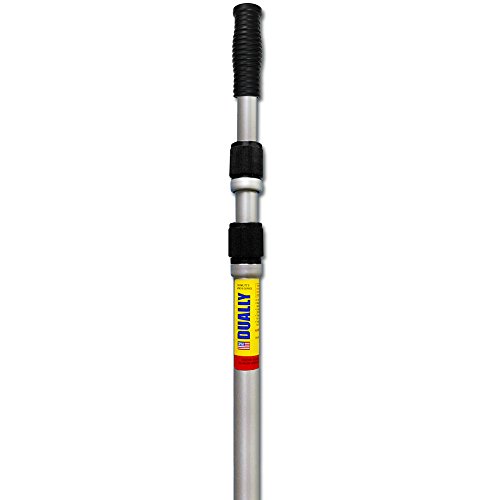 #5 – Extendable Pole
As mentioned multiple times, you need at least one good extendable pole for attaching your pool tools.
I prefer a pole for each tool, so I don’t have to remove the attachments as often.
This also reduces the risk of breaking one of those retaining clips I warned you about.
But one extendable pool is good for starters…
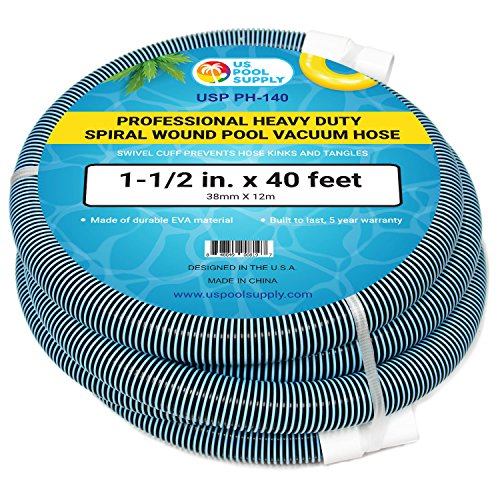 #6 – Vacuum Hose
All kidding aside, a good firm hose is critical. A cheap hose will collapse and choke your pump.
A firm host with good ends that don’t slip off the vacuum attachment is necessary.
Buying Pool Tools Online
buying beginner pool tools with clear use cases online is easy, but I want to warn you that you may not like what UPS delivers to the front door.
If you prefer not to visit a pool store and handle pool tools with your hands before buying them online, then carefully read reviews for the best tools.
- How does the pole grip in my hands?
- Are the skimmers solid?
- Is the vacuum made from cheap materials?
- Are the clips flimsy?
Unless you already know what you’re buying, reading reviews is the best way to choose the tools when purchasing online.
Let’s Recap:
There are thousands of cool tools on the market to spend your money on.
That said, what I’ve given you in this pool tools list is the basics – buy whatever will make you and your pool happy.
In these DIY tips, I covered:
- a skimmer attachment that is sturdy and has a good clip
- a vacuum attachment that is made from good materials and has a good clip
- a vacuum hose that reaches the length of the pool
- a brush attachment with a good clip
- an extendable pole that can reach the center of your pool
- a pool water testing
Finally, do your research on swimming pool tools. Learn which tool brands and models are best for you.
Key takeaways: Invest in a quality skimmer, vacuum, brush, test kit, pole, and hose—and avoid cheap toolkits and flimsy clips. Good tools last longer and make pool maintenance easier and safer.
Before buying anything, read customer reviews online.
Your turn to offer pool tooltips, please comment!
Frequently Asked Questions About Pool Tools
What are the six essential pool tools for DIY maintenance? A skimmer, vacuum attachment, brush, water test kit, extendable pole, and vacuum hose. Choose sturdy options with reliable clips, so they last and don’t end up at the bottom of the pool.
Why should I avoid cheap pool toolkits? Many all-in-one toolkits use low-quality materials and flimsy clips that break quickly. Buying quality individual tools costs more upfront but lasts longer and avoids repeated replacements.
How do I choose a good pool skimmer? Pick a solid skimmer with an extendable pole long enough to reach the center of your pool without leaning over the edge. The net should be durable so it doesn’t rip on leaves or debris.
What happens if my vacuum hose is too cheap? A cheap hose can collapse under suction and choke the pump, reducing flow or damaging the system. Use a firm hose with ends that stay attached to the vacuum.
Why do pool tool clips matter? Clips hold skimmer, vacuum, and brush attachments to the pole. Cheap clips break easily and the attachment can fall into the pool. Inspect clips when buying and avoid flimsy designs.
How often should I test my pool water? Test chlorine and pH at least weekly, and follow your test kit instructions. Staying on top of levels keeps the water safe and helps you add the right amount of chemicals.
Can I use the same pole for the skimmer and the vacuum? Yes. Most poles are detachable so you can use one pole with different attachments. Some owners prefer a separate pole per tool to reduce wear on clips.
What’s the best way to buy pool tools online? Read customer reviews for grip, durability, and clip quality. If you can’t handle tools in person, reviews help you avoid cheap materials and poor design.
Do I need a pool brush if I have a vacuum? Yes. A brush scrubs walls, steps, and the floor to loosen algae and debris that the vacuum then picks up. Both are part of a complete cleaning routine.
Where can I find more pool maintenance tips? Pool Service All and related pages, such as our pool chemical testing and DIY pool supplies pages, offer guides on tools, chemicals, and troubleshooting for pool owners.
Thanks for the tip that using a pool vacuum can be very useful in making pool maintenance a lot faster. I will be hiring pool contractors soon because I plan to cover my pool soon when the weather gets a lot colder. Doing it earlier will surely help me save money on pool cleaning costs.
I just bought a depreciated property that so happens to have a pool. So, I’m looking for equipment and tools I would need for its maintenance. Thanks for mentioning how vacuum hoses should not detach while the job is being done so I should choose good quality ones.